
Posted on

Hidden ROKOK88 Dangers and How to Avoid Them for a Seamless Experience in 2026

Engaged users exploring rokok88 episodes in a collaborative digital workspace, showcasing innovation and global trends.

Understanding the ROKOK88 Concept

ROKOK88 stands at the intersection of digital engagement and creative exploration. As a platform that articulates the journey of its users through a series of immersive episodes, it offers a refreshing approach to digital interaction. This innovative structure not only enhances user engagement but also integrates current trends that resonate well with a modern audience. When exploring options, rokok88 provides comprehensive insights into how episodic content can transform traditional digital experiences into dynamic interactions.

What Does ROKOK88 Stand For?

At its core, ROKOK88 embodies a philosophy of continuous exploration and innovation. The term “ROKOK” translates to “smoke,” which metaphorically reflects the ephemeral yet impactful nature of experiences offered on this platform. The number “88” often symbolizes prosperity and abundance in various cultures, thus suggesting that ROKOK88 aims to deliver rich, rewarding experiences to its users. This duality emphasizes both the fleeting moments of engagement and the lasting impact that these episodes can have on users.

The Importance of ‘First In Line’ Concept

The “First In Line” concept is integral to the ROKOK88 experience. It positions users right at the forefront, granting them exclusive access to new features, updates, and content. This not only fosters a sense of belonging but also instills anticipation among users for upcoming releases. Being “First In Line” creates an aura of exclusivity, making users feel valued and more engaged, ultimately leading to increased customer loyalty and satisfaction.

ROKOK88’s Unique Episode Structure Explained

Unlike conventional platforms where content is often static, ROKOK88 utilizes an episodic format that keeps users coming back for more. Each episode introduces new themes, features, or narratives, encouraging users to delve deeper into the platform. This structure promotes not only continuous learning but also a rhythmic engagement that feels fresh and exciting with each visit. As new episodes roll out, users are met with evolving content that captures their interests and keeps them engaged.

User Experience Challenges with ROKOK88

While ROKOK88 presents a plethora of engaging content, new users may face certain challenges when starting out. Identifying and addressing these pain points is crucial for enhancing overall satisfaction and usability.

Common Pain Points for New Users

New users often encounter difficulties navigating the platform, primarily due to the sheer volume of content available. The episodic nature, while exciting, can be overwhelming. Users may find it challenging to determine which episodes align best with their interests or how to effectively leverage the features available to them.

How to Navigate the ROKOK88 Interface

To overcome navigation challenges, ROKOK88 provides a user-friendly interface designed to facilitate easy exploration. Key strategies include utilizing search filters, bookmarking favorite episodes, and engaging with recommended content based on viewing history. By familiarizing themselves with the interface and utilizing these tools, users can enhance their overall experience and streamline their interaction with the platform.

Exploring User Feedback and Testimonials

User feedback plays a pivotal role in shaping the ROKOK88 experience. Many users appreciate the dynamic nature of the episodes, highlighting how each new installment feels like a new adventure. However, testimonials also reveal common requests for improved navigation tools and the desire for more personalized content recommendations. Addressing these insights can significantly enhance user satisfaction.

Maximizing Engagement on ROKOK88

Engagement on ROKOK88 thrives when users actively participate in the platform’s community. By leveraging social features and interactive components, users can augment their experience.

Strategies for Active Participation

Active participation strategies include engaging with community discussions, leaving feedback on episodes, and sharing experiences on social media. Users who fully immerse themselves in these interactions often find themselves enjoying the platform much more. By contributing to discussions, users can build connections with others and enhance their learning experience through shared insights.

Leveraging Social Features for Enhanced Interaction

ROKOK88’s social features, such as comment sections and sharing options, enable users to engage with content and each other in meaningful ways. By utilizing these features, users can not only express their thoughts but also learn from the perspectives of others, fostering a collaborative environment that enhances the overall experience.

Creating Personalized Experiences within the Episodes

The personalization of experiences in ROKOK88 allows users to tailor their journey based on individual preferences. By utilizing algorithms that recommend episodes based on viewing habits, ROKOK88 ensures that users receive content that resonates with their interests. This tailored approach not only retains user interest but also fosters deeper engagement with the platform.

Maintaining Consistency in ROKOK88 Performance

Consistency is vital for keeping users engaged over time. ROKOK88 employs several best practices to ensure that the platform runs smoothly while continuously evolving.

Best Practices for Regular Updates

Regular updates keep content fresh and relevant. ROKOK88 schedules periodic reviews of existing episodes, integrating user feedback to refine and enhance content delivery. This commitment to improvement reassures users that their experience is a priority.

How ROKOK88 Ensures Quality Content

Quality control is another cornerstone of ROKOK88’s success. Each episode undergoes rigorous testing before release, ensuring that features function seamlessly and that content is engaging and informative. This high standard is crucial for maintaining user trust and satisfaction.

The Role of User Feedback in Continuous Improvement

User feedback forms the backbone of ROKOK88’s continuous improvement strategy. By actively soliciting opinions and monitoring engagement metrics, ROKOK88 can adapt more swiftly to user needs and preferences, fostering an environment of trust and responsiveness.

Future Trends for ROKOK88 in 2026

As we look ahead to 2026, ROKOK88 is poised to evolve alongside emerging technologies and shifting user expectations. Understanding these trends is critical for maintaining competitive relevance.

Emerging Technologies Impacting User Experience

Emerging technologies such as artificial intelligence and virtual reality are likely to significantly impact user engagement. ROKOK88 is exploring these technologies to enhance immersive experiences, potentially allowing users to interact with episodes in ways that were previously unimaginable.

Predicted Evolution of Digital Platforms

The evolution of digital platforms will likely prioritize personalized content and user interactivity. ROKOK88 must adapt to these trends by continually refining its episodic structure and ensuring seamless integration of innovative features that meet evolving user expectations.

Anticipating User Needs for a Competitive Edge

To maintain a competitive edge, ROKOK88 must stay ahead of user needs by anticipating trends and changes in user behavior. Proactive communication and regular updates regarding new features and episodes will be key to keeping users engaged and returning for more.

What Security Measures Does ROKOK88 Have in Place?

Security is paramount in today’s digital landscape. ROKOK88 implements stringent security measures to protect user data and ensure a safe browsing experience. Regular audits, encryption protocols, and user education on best practices for data safety contribute to a secure environment that encourages user confidence.

How Versatile is the ROKOK88 Platform for Different Users?

ROKOK88 is designed to cater to a diverse audience. Its flexible interface and varied content types allow users from different backgrounds and interests to find relevant episodes that resonate with them. This versatility is crucial for attracting a broad user base.

What are the Key Benefits of the First In Line Concept?

Being “First In Line” offers several benefits, including exclusive access to content, promotions, and a sense of community among users sharing similar interests. This competitive advantage helps cultivate deep loyalty among the user base and encourages ongoing engagement with the platform.

How Does ROKOK88’s Structure Differ from Traditional Platforms?

ROKOK88’s unique episodic structure distinguishes it from traditional content platforms that often focus on static content. This dynamic format allows for continuous evolution of content, keeping users engaged by providing fresh narratives and experiences at regular intervals.

Can ROKOK88 Cater to Niche Interests Effectively?

ROKOK88’s structure is inherently versatile, enabling it to cater to niche interests effectively. By curating episodes that address specific topics or communities, ROKOK88 ensures that users with diverse interests can find episodes that resonate deeply with their preferences, further enhancing user engagement.

Posted on

Building Stronger Communities: Strategies for Lasting Impact

Understanding Community and Society

Community and society are foundational elements that shape human interactions, identities, and cultures. They influence our behaviors, relationships, and even our sense of belonging. This article explores the intricate dynamics of community and society, examining their definitions, roles, historical development, and the importance of social connections. It also addresses contemporary challenges and presents effective strategies for building resilient communities.

Defining Community: Types and Characteristics

At its core, a community is a collection of individuals who share a common bond—be it geographical, cultural, or ideological. Communities can vary significantly in size, structure, and purpose. Understanding the types and characteristics of communities is essential for fostering meaningful connections among their members.

Communities can be categorized into several types:

  • Geographical Communities: These include neighborhoods, towns, and cities where individuals live in proximity to one another. Geographical communities often share local resources, infrastructure, and social services.
  • Cultural Communities: Defined by shared beliefs, values, language, or traditions, these communities may transcend geographical boundaries. Examples include ethnic communities, religious groups, and artistic collectives.
  • Virtual Communities: The rise of the internet has led to the formation of online communities, where individuals interact based on shared interests, hobbies, or professional goals, regardless of their physical location.
  • Interest-Based Communities: These communities gather around specific hobbies, professions, or causes, such as environmental activism or gaming.

The characteristics of a strong community often include:

  • Shared Identity: Members often identify with one another and feel a sense of belonging.
  • Social Interaction: Regular interaction fosters relationships and strengthens ties among members.
  • Mutual Support: Members provide emotional, social, and sometimes financial support to one another.
  • Common Goals: Communities often work together towards shared objectives, enhancing collaboration and collective action.

The Role of Society in Shaping Individual Identity

Society plays a pivotal role in the formation of individual identity. Through socialization processes, individuals learn about societal norms, values, and expectations, which significantly influence their behavior and self-perception.

Key factors through which society shapes individual identity include:

  • Family Influence: The family unit is often the first social context in which individuals learn about their cultural heritage, values, and social roles. For instance, children raised in cultures that emphasize collectivism may prioritize group harmony over individual ambition.
  • Education and Peer Groups: Educational institutions and peer groups provide platforms for social interaction and learning. They introduce individuals to diverse perspectives and foster critical thinking. For example, students exposed to various cultures in a multicultural school environment may develop a broader worldview.
  • Media and Technology: In the digital age, media plays a crucial role in shaping perceptions and identities. Social media platforms, for instance, allow individuals to present curated versions of themselves, often influenced by societal trends and expectations.

Research indicates that societal pressures can lead individuals to conform to certain identities, which may result in identity conflicts or crises. Understanding these dynamics is vital for promoting healthy self-identification and acceptance within various societal contexts.

Historical Perspectives on Community Development

The evolution of community development can be traced back through history, reflecting changes in social structures, economic systems, and cultural contexts. Historical perspectives provide valuable insights into how communities have adapted over time.

Some key milestones in community development include:

  • The Agricultural Revolution: This period marked the transition from nomadic lifestyles to settled agricultural communities. It facilitated population growth and the establishment of towns, which acted as centers for trade and social interaction.
  • The Industrial Revolution: The move towards industrialization led to urbanization, as people flocked to cities for work. This shift created challenges, such as overcrowding and poor living conditions, but also fostered new community structures through labor unions and social movements.
  • The Rise of the Welfare State: In the 20th century, many governments began to recognize the importance of social safety nets. Community development initiatives aimed at addressing poverty, education, and healthcare emerged, illustrating the role of policy in shaping community structures.
  • Contemporary Movements: Recent decades have seen a resurgence of grassroots movements focused on social justice, environmental sustainability, and community empowerment. These movements are often driven by local activists and organizations seeking to address specific community needs.

The Importance of Social Connections

Social connections are integral to human well-being and community cohesion. They foster support systems that enhance mental and physical health, increase resilience, and promote a sense of belonging.

The Impact of Social Networks on Well-Being

Numerous studies have shown that strong social networks are associated with improved health outcomes, lower levels of stress, and greater life satisfaction. Social connections can mitigate feelings of loneliness and isolation, which are significant risk factors for mental health issues.

Key findings include:

  • Individuals with robust social ties are more likely to engage in healthy behaviors, such as regular exercise and balanced diets.
  • Social support has been linked to lower rates of chronic diseases and longer life expectancy. For example, a study published in the journal Health Psychology found that strong social networks can reduce the risk of heart disease.
  • Conversely, social isolation can have detrimental effects on mental health, contributing to anxiety and depression. A report by the American Psychological Association indicated that loneliness can be as harmful as smoking fifteen cigarettes a day.

Building Trust and Reciprocity within Communities

Trust and reciprocity are foundational elements of social capital within communities. When individuals trust one another, they are more likely to collaborate, share resources, and support collective initiatives.

Building trust involves:

  • Open Communication: Encouraging transparent dialogue among community members fosters understanding and reduces misunderstandings.
  • Shared Experiences: Organizing community events, such as festivals or volunteer days, helps build relationships and fosters a sense of belonging.
  • Inclusivity: Ensuring that all voices are heard and valued promotes a sense of ownership and commitment to community goals.

Reciprocity, or the mutual exchange of resources and support, enhances community resilience. When members feel that their contributions are valued, they are more likely to engage actively in community initiatives.

Case Studies: Successful Community Engagement Initiatives

Examining successful community engagement initiatives can provide valuable lessons for fostering social connections. Here are a few noteworthy examples:

  • The Neighborhood Watch Program: This initiative fosters community safety by encouraging residents to be vigilant and report suspicious activities. Studies have shown that neighborhoods with active watch programs experience lower crime rates and increased community cohesion.
  • Time Banks: Time banking is a system where community members exchange services based on time rather than money. This model not only strengthens social ties but also promotes skill-sharing and resource utilization. For example, in the UK, the Time Bank UK initiative has successfully connected individuals across diverse communities.
  • Community Gardens: Initiatives like community gardens not only provide fresh produce but also create spaces for social interaction and collaboration. For instance, the Brooklyn Grange in New York City has transformed vacant lots into thriving gardens, fostering community engagement and environmental awareness.

Challenges Facing Modern Communities

Despite the importance of community, modern societies face numerous challenges that threaten social cohesion and well-being. Understanding these challenges is crucial for developing effective solutions.

Identifying and Addressing Social Inequalities

Social inequalities, including economic disparities, racial discrimination, and unequal access to resources, hinder community development and exacerbate divisions. Identifying these inequalities is the first step toward addressing them.

Strategies to address social inequalities include:

  • Advocacy and Policy Change: Engaging in advocacy efforts to promote equitable policies can help bridge gaps in access to education, healthcare, and employment opportunities.
  • Community Education: Raising awareness about social inequalities can empower community members to advocate for their rights and work towards systemic change.
  • Resource Allocation: Ensuring that resources, such as funding for community programs, are equitably distributed is essential for fostering inclusivity.

The Effects of Urbanization on Community Cohesion

Urbanization presents both opportunities and challenges for community cohesion. While cities often provide diverse cultural experiences and economic opportunities, they can also lead to disconnection and fragmentation among residents.

Key effects of urbanization include:

  • Increased Anonymity: In densely populated areas, individuals may feel isolated despite being surrounded by others. This anonymity can lead to a lack of social interaction and decreased community engagement.
  • Gentrification: The process of gentrification can displace long-standing residents, altering the cultural fabric of neighborhoods and leading to tensions between new and existing community members.
  • Resource Strain: Rapid urban growth can strain public services, such as transportation and healthcare, making it difficult for communities to meet residents’ needs effectively.

Digital Divide: Access to Technology and Its Implications

The digital divide refers to the gap between individuals who have access to modern technology and those who do not. This divide can exacerbate existing inequalities and hinder community development.

Key implications of the digital divide include:

  • Limited Access to Information: Individuals without internet access may struggle to obtain vital information about job opportunities, educational resources, and community services.
  • Social Isolation: Those without access to technology may miss out on social interactions that occur online, leading to increased feelings of isolation.
  • Economic Disparities: In an increasingly digital economy, individuals lacking technological skills or access may face significant barriers to employment and economic mobility.

Strategies for Community Building

Building strong, resilient communities requires intentional efforts and strategic planning. Here are several effective strategies for community building.

Grassroots Movements: Mobilizing Local Action

Grassroots movements empower community members to take action on issues that matter to them. By organizing locally, residents can address specific needs and advocate for change.

Steps to mobilize local action include:

  • Identify Community Needs: Conduct surveys or hold community forums to understand the issues that matter most to residents.
  • Build Coalitions: Collaborate with local organizations, schools, and businesses to create a unified voice for advocacy.
  • Develop Action Plans: Create clear, actionable plans that outline goals, strategies, and timelines for achieving community objectives.

Leveraging Technology for Community Engagement

Technology can play a crucial role in enhancing community engagement, facilitating communication, and fostering collaboration. Here are ways to leverage technology effectively:

  • Social Media Campaigns: Utilize platforms like Facebook, Twitter, and Instagram to disseminate information, promote events, and engage community members.
  • Online Platforms for Collaboration: Tools like Slack or Trello can facilitate project management and collaboration among community members, allowing for efficient coordination of initiatives.
  • Virtual Events: Host webinars or online workshops to engage community members who may not be able to attend in-person events due to distance or mobility issues.

Creating Inclusive Spaces: Designing for Diversity

Inclusive spaces foster participation from diverse community members, promoting equity and representation. Considerations for creating inclusive spaces include:

  • Universal Design: Ensure that public spaces are accessible to individuals of all abilities, incorporating features like ramps, wide pathways, and tactile signage.
  • Cultural Representation: Celebrate cultural diversity through art, signage, and programming that reflects the community’s varied identities.
  • Community Input: Engage community members in the design process, ensuring their voices are heard and their needs are met.

Future Trends in Community and Society

The landscape of community and society is continually evolving. Understanding future trends can help communities adapt and thrive in an ever-changing world.

The Role of Sustainability in Community Development

Sustainability is increasingly recognized as a critical component of community development. Sustainable practices not only address environmental concerns but also promote social equity and economic viability.

Key aspects of sustainability in community development include:

  • Green Infrastructure: Incorporating green spaces and sustainable practices into urban planning can enhance community well-being and environmental health.
  • Local Economies: Supporting local businesses and promoting sustainable economic practices can create jobs and reduce environmental impact.
  • Community Education: Raising awareness about sustainability issues empowers residents to adopt eco-friendly practices and advocate for environmental justice.

Adapting to Globalization: Local vs. Global Identity

Globalization presents both opportunities and challenges for local communities. While it fosters cultural exchange and economic growth, it can also threaten local identities and traditions.

Communities must find a balance between embracing global influences and preserving local culture. Strategies for adaptation include:

  • Promoting Local Culture: Encourage cultural events, festivals, and initiatives that celebrate local traditions and heritage.
  • Global Collaboration: Engage in partnerships with international organizations to share knowledge and resources while maintaining local relevance.
  • Education and Awareness: Educate community members about the benefits and challenges of globalization, fostering informed discussions about local identity.

Innovative Approaches to Community Problem Solving

As communities face complex challenges, innovative problem-solving approaches are essential. Community-driven solutions often yield the most effective results.

Strategies for innovative problem-solving include:

  • Participatory Design: Involve community members in the design and implementation of solutions, ensuring that initiatives are tailored to their needs.
  • Cross-Sector Collaboration: Foster partnerships between government, non-profit organizations, and the private sector to leverage diverse expertise and resources.
  • Data-Driven Decision Making: Utilize data and analytics to inform community planning and evaluate the effectiveness of initiatives.

By embracing innovative approaches, communities can build resilience and adaptability, ensuring a brighter future for all members.

Posted on

Essential Insights for Joining a Man Club in 2026

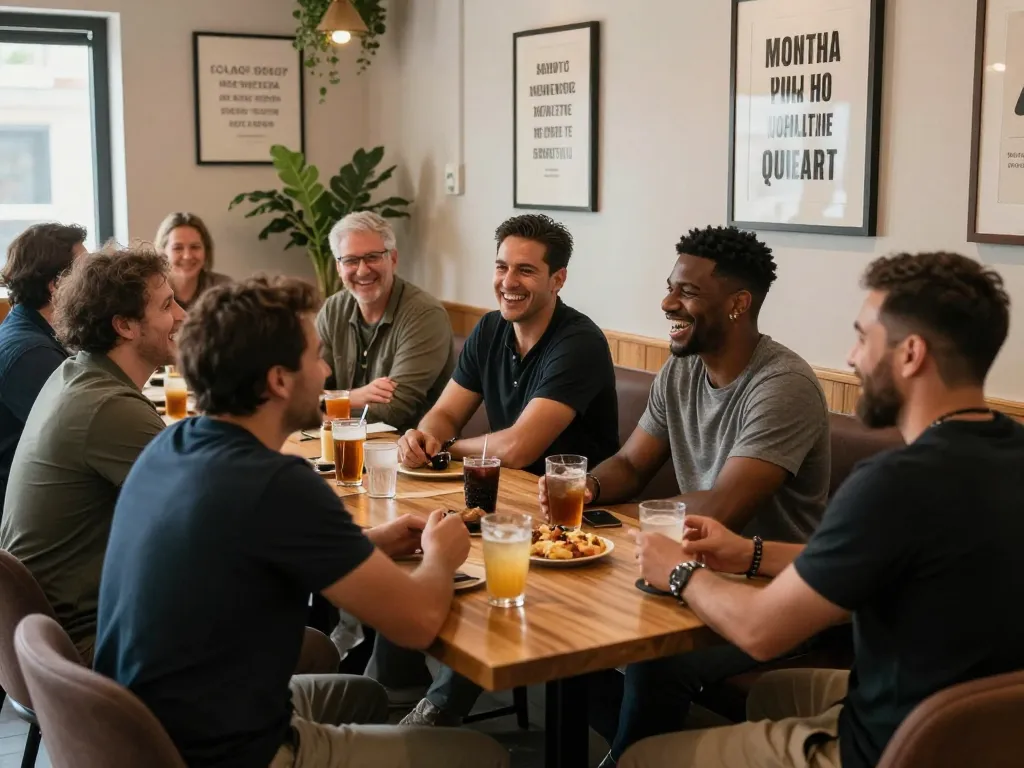
Men gathering at a man club enjoying conversations and camaraderie in a welcoming atmosphere

Understanding the Concept of a Man Club

In today’s fast-paced society, the concept of a man club has gained momentum as a vital space for men to connect, share, and grow. These clubs serve as safe havens where individuals can discuss personal matters, engage in self-improvement activities, and build lasting friendships. The variety of man clubs ranges from informal gatherings to structured organizations, each catering to different interests and needs. When exploring options, man club provides comprehensive insights into how these communities function and what they offer to their members.

What is a Man Club?

A man club is a gathering space for men, traditionally aimed at fostering camaraderie, discussion, and support among its members. These clubs can take many forms, from social groups that meet for sports or hobbies to more serious organizations focused on mental health and personal growth. The concept has evolved over the years to address contemporary issues such as emotional well-being and the importance of male friendships.

Benefits of Joining a Man Club

Joining a man club can offer numerous benefits:

  • Emotional Support: Many men face challenges with mental health that they feel uncomfortable discussing. Clubs provide a platform where members can share their experiences and support one another, fostering a sense of belonging.
  • Networking Opportunities: Man clubs often include members from diverse professional backgrounds, allowing for valuable networking and mentorship opportunities.
  • Personal Growth: Many clubs host workshops, discussions, and events focused on self-improvement, helping members develop skills and confidence.
  • Social Connections: Joining a club can help expand one’s social circle and lead to meaningful friendships based on shared interests and experiences.

Common Misconceptions about Man Clubs

Despite their numerous benefits, man clubs often face misconceptions:

  • Exclusivity: Many believe that man clubs exclude women. While some clubs may be men-only, many are inclusive and welcome individuals regardless of gender.
  • Lack of Seriousness: Some perceive these clubs as mere social gatherings. However, many clubs focus on crucial discussions surrounding mental health, personal challenges, and growth.
  • Only for Older Men: There is a stereotype that man clubs cater only to older demographics. In reality, many clubs attract a wide age range, offering mentorship and learning opportunities across generations.

Finding the Right Man Club for You

When searching for a man club, it’s essential to evaluate your personal needs and preferences to ensure a good fit. Here are several factors to consider:

Key Factors to Consider When Choosing a Man Club

Consider the following elements when selecting a man club:

  • Focus Areas: Identify your interests—be it mental health, sports, professional networking, or personal development. Look for clubs that align with these focus areas.
  • Meeting Frequency: Different clubs have varying schedules. Some may meet weekly, while others might gather monthly. Choose a frequency that fits your lifestyle.
  • Location: Accessibility is crucial. Decide whether you prefer an in-person experience or if you’re open to virtual meetings.
  • Membership Culture: Attend a few introductory meetings if possible. It’s important to gauge how comfortable and welcomed you feel within the group.

How to Research Local Man Clubs Effectively

To find the right club for you, utilize local resources:

  • Social Media: Platforms like Facebook and Instagram can help you discover local groups and see how active they are.
  • Community Centers: Many community centers host man clubs or can guide you to nearby organizations.
  • Online Forums: Websites such as Reddit often have discussions about local groups, providing insights and recommendations.

Online vs. In-Person Man Clubs: Which is Best?

Both formats offer distinct advantages:

  • Online Clubs: They can be more flexible, accommodating various schedules, and provide access to people from all over the world.
  • In-Person Clubs: Meeting physically fosters deeper connections and sometimes more engaging interactions, allowing for workshops and activities that benefit from face-to-face engagement.

Activities and Discussions at Man Clubs

The activities organized within man clubs are varied and can significantly enhance the overall experience for members. Here are popular topics and events:

Popular Topics of Conversation

Commonly discussed themes in man clubs often revolve around:

  • Emotional Well-Being: Discussions on coping strategies, mental health resources, and personal experiences help normalize conversations around emotional health.
  • Relationships: Many clubs share insights and support related to romantic and platonic relationships, addressing challenges men may face.
  • Personal Development: Workshops focused on self-esteem, leadership, and career growth often take center stage in discussions.

Workshops and Events for Personal Development

Many man clubs organize workshops that facilitate learning and growth, such as:

  • Public Speaking: Improve communication skills through practice sessions and feedback.
  • Financial Planning: Learning about budgeting, investment, and financial literacy can empower members and foster financial health.
  • Physical Fitness: Clubs may organize group fitness sessions, hiking trips, or sports events that promote physical health.

Creating Meaningful Connections through Group Activities

Group activities are designed to promote bonding and foster camaraderie among members:

  • Team Challenges: Engaging in competitions or team-building activities helps members form strong connections.
  • Volunteer Work: Many clubs focus on giving back to the community, allowing members to unite around a common cause.
  • Social Events: Regular get-togethers, such as BBQs or game nights, offer a relaxed atmosphere for friendships to blossom.

Challenges Faced by Men in Clubs

Although man clubs present numerous advantages, there are also challenges that participants might encounter:

Breaking the Stigma Surrounding Men’s Emotional Health

A significant hurdle for many men is overcoming societal expectations that discourage vulnerability. Man clubs strive to create an environment that fosters open dialogue around emotional health, helping to diminish the stigma associated with it.

How to Overcome Initial Hesitations About Joining

Many potential members experience anxiety or hesitation. Strategies to ease this transition include:

  • Attend Events with a Friend: Having a familiar face can lessen feelings of isolation and help you feel more comfortable.
  • Participate in Introductory Meetings: These often lack the pressure of regular meetings, allowing you to gauge the environment.
  • Start with Online Participation: For those apprehensive about in-person gatherings, beginning online can help ease into the group dynamic.

Strategies for Active Participation in Discussions

Engaging in discussions can feel intimidating, but there are ways to foster participation:

  • Listen Actively: Taking the time to listen can provide valuable insights and help you formulate your thoughts before sharing.
  • Ask Questions: Inquiring about others’ experiences can prompt deeper conversations and allow you to contribute meaningfully.
  • Share Personal Stories: Relating personal anecdotes can help others connect and encourage a sense of community.

The Future of Man Clubs in 2026

As societal attitudes towards men’s mental health and camaraderie continue to evolve, man clubs are likely to adapt and grow. Here are some predictions for the future:

Emerging Trends in Men’s Groups and Clubs

In the coming years, we can expect to see an increase in:

  • Diversity and Inclusion: Clubs will likely broaden their focus to become more inclusive, welcoming members from all backgrounds and identities.
  • Hybrid Formats: The integration of online and in-person experiences will allow for flexibility and broader accessibility.
  • Focus on Mental Health: With continued emphasis on emotional well-being, clubs will more frequently address mental health challenges and provide resources for members.

The Role of Technology in Enhancing Club Experiences

Technology will play a significant role in shaping the future of man clubs:

  • Virtual Meetings: As remote participation becomes more normalized, clubs will likely incorporate technology to enhance engagement and reach.
  • Online Resources: Many clubs will offer digital materials, workshops, and forums to extend the scope of their programs beyond physical meetings.
  • Mobile Applications: The development of apps tailored for man clubs could facilitate communication, scheduling, and resource sharing among members.

Predictions for the Evolution of Man Clubs

The evolution of man clubs will reflect broader societal changes:

  • Increased Focus on Emotional Well-Being: Clubs may prioritize discussions around mental health, encouraging openness and support.
  • Collaborative Events: Partnering with other community organizations can expand the reach and impact of man clubs, addressing larger societal issues.
  • Community Building: The emphasis on creating genuine connections will continue to evolve, with clubs focusing on fostering a supportive community for members.

In conclusion, the future of man clubs looks promising as they adapt to changing societal needs and the evolving landscape of male friendships and emotional health. By fostering an environment of support, understanding, and development, man clubs play a crucial role in enhancing the lives of their members.