
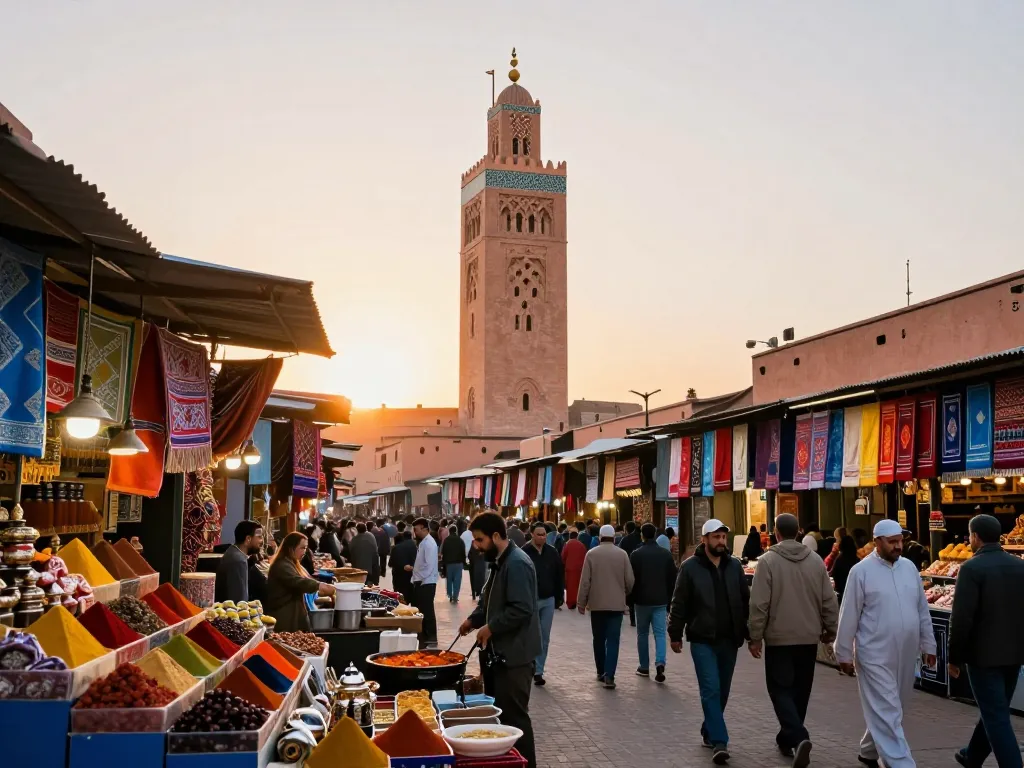
Understanding the Travel and Tourism Industry
The travel and tourism industry is a multifaceted sector that encompasses a wide range of services and experiences. From leisure trips to business travel, the industry plays a critical role in connecting people globally. Understanding its dynamics is essential for stakeholders, travelers, and communities alike.
Definition and Scope of Travel and Tourism
Travel and tourism refer to the activities of individuals traveling away from their usual environment for leisure, business, or other purposes. This industry includes a variety of sectors such as transportation, accommodation, attractions, and services that facilitate travel. The World Tourism Organization defines tourism as “the activities of persons traveling to and staying in places outside their usual environment for leisure, business, or other purposes.” This definition underscores the industry’s diverse nature and its impact on local economies.
The scope of travel and tourism extends beyond just the act of traveling. It encompasses the entire ecosystem that supports travelers, including:
- Transportation services, such as airlines, trains, and car rentals.
- Accommodation options, including hotels, hostels, and vacation rentals.
- Attractions like museums, parks, and entertainment venues.
- Tour operators and travel agencies that help plan and book trips.
- Support services such as travel insurance, guides, and transportation services.
Key Players in the Industry
Several key players drive the travel and tourism industry, each playing a unique role in providing services and shaping the travel experience. These include:
- Governments: Responsible for tourism policies, regulations, and infrastructure development.
- Travel Agencies and Tour Operators: Offer packaged deals and personalized itineraries to travelers.
- Accommodation Providers: Hotels, resorts, and alternative lodging that cater to various budgets and preferences.
- Transport Companies: Airlines, railways, and car rental services that facilitate travel.
- Local Communities: Often the first point of contact for tourists, providing authentic experiences and local culture.
Each of these players collaborates to create a seamless travel experience, ultimately contributing to the industry’s growth and sustainability.
Economic Impact of Travel and Tourism
The economic impact of travel and tourism cannot be overstated. According to the World Travel & Tourism Council (WTTC), the industry accounted for approximately 10.4% of global GDP in 2019, supporting around 319 million jobs worldwide. This sector not only creates employment but also stimulates economic growth through investments in infrastructure, local businesses, and cultural preservation.
Additionally, tourism can drive foreign exchange earnings, which are crucial for many countries’ economies. For instance, in 2019, international tourist arrivals reached 1.5 billion, leading to a global tourism expenditure of $1.5 trillion. Countries such as Thailand and Spain have successfully leveraged their tourism sectors to bolster their economies, showcasing the potential for growth.
However, the economic benefits must be balanced with sustainable practices to ensure long-term viability. As travel demand fluctuates due to global events or environmental concerns, the industry must adapt to maintain its economic contributions.
Types of Travel and Tourism
Travel and tourism can be broadly categorized into various types based on the purpose and nature of travel. Understanding these categories helps in tailoring experiences to meet travelers’ diverse needs and preferences.
Leisure vs. Business Travel
Leisure travel is primarily motivated by vacation, relaxation, and enjoyment, while business travel focuses on work-related activities such as meetings, conferences, and client visits. Each category has distinct characteristics and requirements. For instance:
- Leisure Travel: Often involves family vacations, adventure trips, and cultural explorations. Travelers seek experiences that provide relaxation and enjoyment, such as beach holidays, mountain retreats, and city tours.
- Business Travel: Typically characterized by a more structured itinerary, focusing on efficiency and productivity. Business travelers often prioritize convenience, time management, and amenities such as Wi-Fi and meeting facilities.
According to a study by the Global Business Travel Association, business travel spending is projected to reach $1.7 trillion by 2022, highlighting its significance in the overall travel landscape.
Adventure Tourism and Eco-Tourism
Adventure tourism is all about experiencing thrilling activities that push personal limits, such as rock climbing, scuba diving, and mountain biking. This segment has grown rapidly, fueled by a desire for unique and adrenaline-pumping experiences. Countries like New Zealand and Costa Rica have become hotspots for adventure tourism, offering diverse landscapes and activities that allure adventure seekers.
On the other hand, eco-tourism emphasizes responsible travel to natural areas, promoting conservation, sustainability, and local culture. It aims to minimize the environmental impact of tourism while benefiting local communities. Examples include:
- Visiting national parks where tourism funds conservation efforts.
- Participating in wildlife safaris that support animal preservation.
- Engaging in community-based tourism initiatives that empower local populations.
Both adventure and eco-tourism appeal to a growing demographic of travelers seeking meaningful experiences that connect them with nature and culture.
Cultural and Heritage Tourism
Cultural and heritage tourism focuses on experiencing the traditions, art, history, and lifestyle of different communities. This type of tourism allows travelers to immerse themselves in local culture, often leading to a deeper understanding and appreciation of diverse societies. Key elements include:
- Historical Sites: Visiting ancient ruins, museums, and UNESCO World Heritage Sites.
- Cultural Festivals: Participating in local celebrations, fairs, and events that showcase cultural heritage.
- Local Cuisine: Exploring traditional dishes and culinary practices that reflect cultural identity.
Destinations such as Kyoto, Japan, and Florence, Italy, attract millions of tourists each year, showcasing their rich cultural heritage and historical significance.
Marketing Strategies for Travel and Tourism
Effective marketing strategies are essential for success in the competitive travel and tourism industry. With the rise of digital platforms and changing consumer behavior, businesses must adapt their marketing efforts to reach and engage potential travelers.
Building a Strong Brand Presence
A strong brand presence is vital for attracting customers in the travel sector. Companies should focus on creating a unique value proposition that differentiates them from competitors. This can be achieved through:
- Consistent Messaging: Ensuring that all marketing materials reflect the brand’s identity and values.
- Visual Identity: Developing a recognizable logo and color scheme that resonates with the target audience.
- Customer Engagement: Actively interacting with customers through social media, newsletters, and feedback platforms to build loyalty.
Brands like Airbnb and Expedia have successfully established strong identities by leveraging user-generated content and maintaining an active online presence, enhancing their recognition and trust among travelers.
Utilizing Social Media and Influencer Marketing
Social media platforms play a crucial role in shaping travel decisions. Travelers often turn to platforms like Instagram, Facebook, and TikTok for inspiration and recommendations. Businesses can harness this trend by:
- Creating Engaging Content: Utilizing high-quality images, videos, and stories that showcase destinations and experiences.
- Collaborating with Influencers: Partnering with travel influencers to reach wider audiences and enhance credibility.
- Encouraging User-Generated Content: Prompting customers to share their travel experiences, which can foster community and authenticity.
For instance, brands like Visit Iceland have leveraged influencer partnerships to create buzz around their destinations, leading to increased tourism and engagement.
Content Marketing and SEO Best Practices
Content marketing is a powerful tool for attracting and retaining customers. By providing valuable information and resources, businesses can position themselves as industry leaders. Key strategies include:
- Keyword Research: Identifying relevant keywords and phrases that potential travelers are searching for to optimize website content.
- Creating Quality Content: Producing informative blog posts, travel guides, and tips that cater to the interests of the target audience.
- Utilizing Visuals: Incorporating images and videos to enhance engagement and shareability.
Incorporating SEO best practices, such as optimizing meta tags, improving site speed, and ensuring mobile-friendliness, can significantly enhance online visibility. For example, travel blogs that focus on niche topics often see higher engagement and search rankings due to their targeted content.
Travel Technology and Innovations
The travel industry is experiencing rapid technological advancements that are reshaping the way people plan, book, and experience travel. Staying ahead of these trends is crucial for industry players.
The Role of Online Travel Agencies (OTAs)
Online Travel Agencies (OTAs) like Booking.com and Expedia have revolutionized the way consumers book travel. They provide a one-stop platform for comparing prices, reading reviews, and making reservations for flights, accommodations, and activities. The benefits of OTAs include:
- Convenience: Users can easily search for and book travel options from the comfort of their homes.
- Price Comparison: OTAs allow consumers to compare prices and find the best deals across multiple providers.
- User Reviews: Access to customer reviews helps travelers make informed choices.
However, the rise of OTAs has also led to increased competition for traditional travel agencies, necessitating the need for brick-and-mortar businesses to adapt their strategies to remain relevant.
Mobile Applications and Travel Planning Tools
Mobile applications have become indispensable in the travel planning process. Apps such as TripIt, Google Maps, and Skyscanner streamline the travel experience by offering features like itinerary management, navigation, and price alerts. Key benefits include:
- Real-Time Updates: Travelers receive notifications about flight delays, gate changes, and other essential information.
- Personalized Recommendations: Apps can suggest activities, restaurants, and attractions based on user preferences.
- Offline Access: Many apps allow users to download maps and itineraries for use without internet access.
As technology continues to evolve, the integration of mobile applications into travel planning will only increase, enhancing convenience and user experiences.
Emerging Technologies: AI and Virtual Reality in Tourism
Emerging technologies such as artificial intelligence (AI) and virtual reality (VR) are transforming the travel industry. AI-powered chatbots provide 24/7 customer service, handling inquiries and bookings efficiently. For example, companies like KLM use AI to assist travelers with flight updates and recommendations.
Virtual reality offers immersive experiences that allow potential travelers to explore destinations before booking. For instance, tourism boards can create VR experiences that showcase local attractions, enticing travelers to visit. This technology not only enhances marketing efforts but also helps travelers make informed decisions about their trips.
Challenges and Future Trends in Travel and Tourism
While the travel and tourism industry is poised for growth, it faces several challenges that need to be addressed. Understanding these challenges and adapting to future trends is essential for sustainability and success.
Addressing Sustainability and Environmental Concerns
Sustainability has become a pressing issue in the travel industry, with travelers increasingly seeking eco-friendly options. The negative impact of mass tourism on the environment, local cultures, and economies has prompted a shift towards more responsible practices. Key strategies for promoting sustainability include:
- Reducing Carbon Footprint: Encouraging the use of public transportation, carpooling, and sustainable travel options.
- Supporting Local Communities: Promoting local businesses and cultural experiences to benefit residents directly.
- Conservation Efforts: Collaborating with conservation organizations to protect wildlife and natural habitats.
Companies like Intrepid Travel have pioneered sustainable tourism practices by ensuring their trips have a positive impact on the environments and communities they visit.
Impact of Global Events on Travel Behavior
Global events, such as pandemics, political unrest, and natural disasters, have significant implications for travel behavior. The COVID-19 pandemic, for instance, drastically altered how people travel, leading to increased demand for domestic travel and road trips as international travel restrictions were imposed. As travelers become more cautious, the industry must adapt by:
- Implementing Health and Safety Measures: Ensuring that travel providers adhere to hygiene protocols to build consumer confidence.
- Offering Flexible Booking Options: Allowing travelers to change plans without penalties in uncertain times.
- Promoting Local Destinations: Encouraging travelers to explore their own countries through campaigns that highlight local attractions.
As the industry recovers, understanding these shifts and maintaining flexibility will be crucial for success.
Future Trends: Personalization and Experience Economy
The future of travel and tourism is likely to be shaped by personalization and the experience economy. Travelers are increasingly seeking tailored experiences that cater to their unique interests and preferences. Businesses can capitalize on this trend by:
- Leveraging Data Analytics: Analyzing consumer data to offer personalized recommendations and packages.
- Creating Unique Experiences: Designing trips that focus on immersive and authentic interactions with local cultures.
- Utilizing Feedback: Encouraging customer feedback to refine offerings and enhance the overall experience.
As seen with companies like Airbnb Experiences, travelers are willing to pay a premium for unique activities that allow them to connect with the destination on a deeper level.
